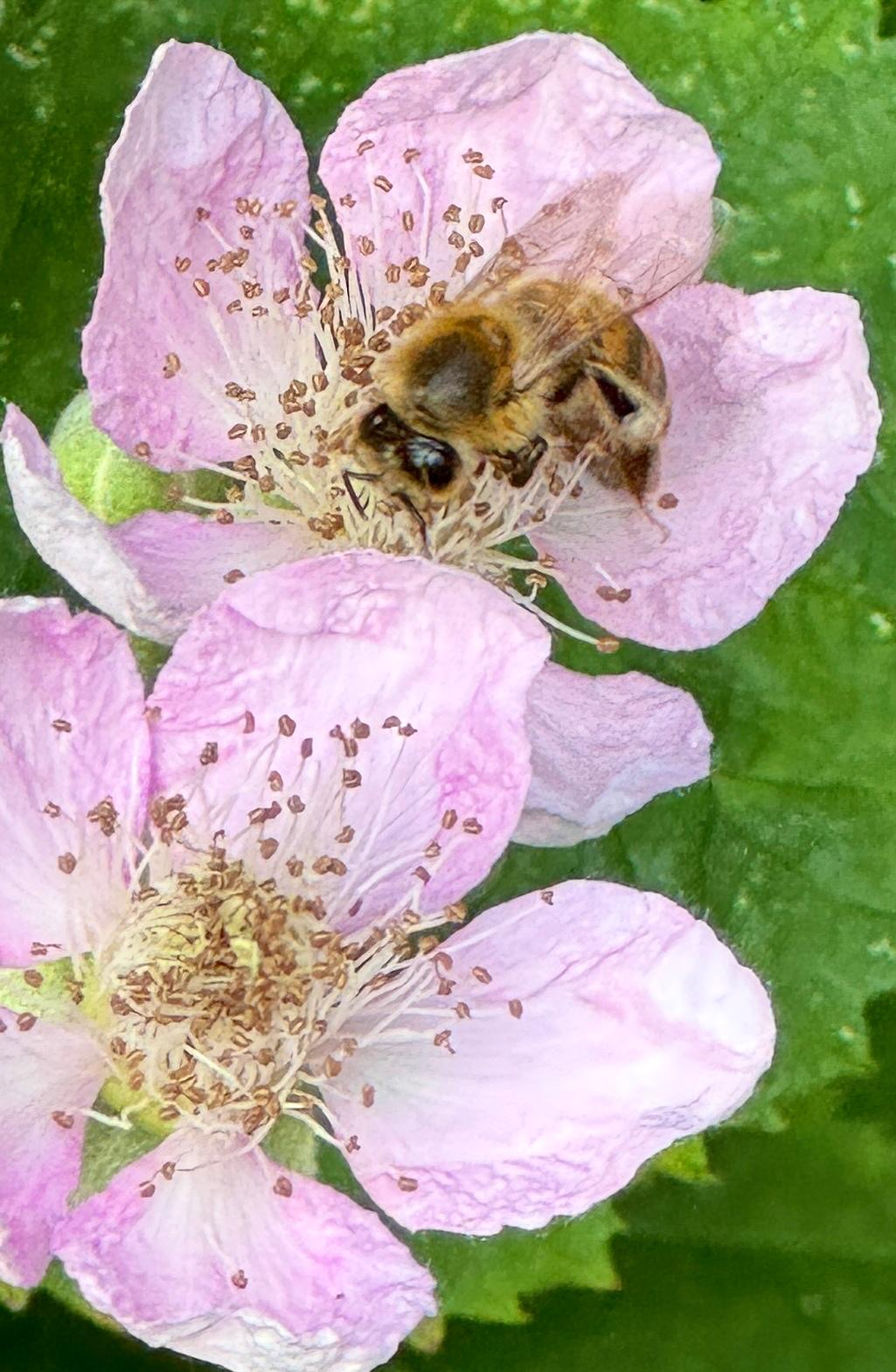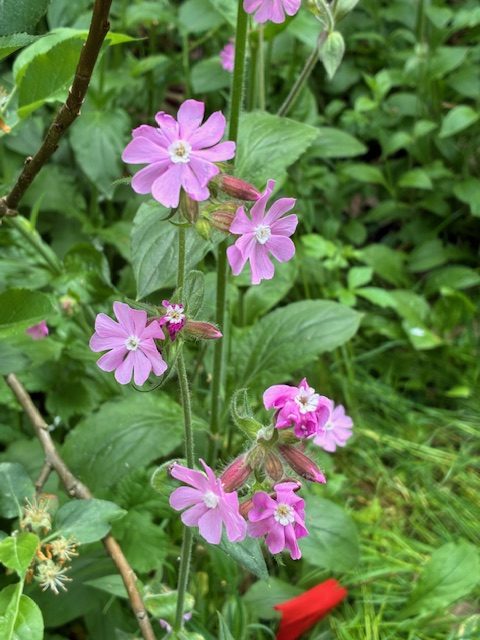

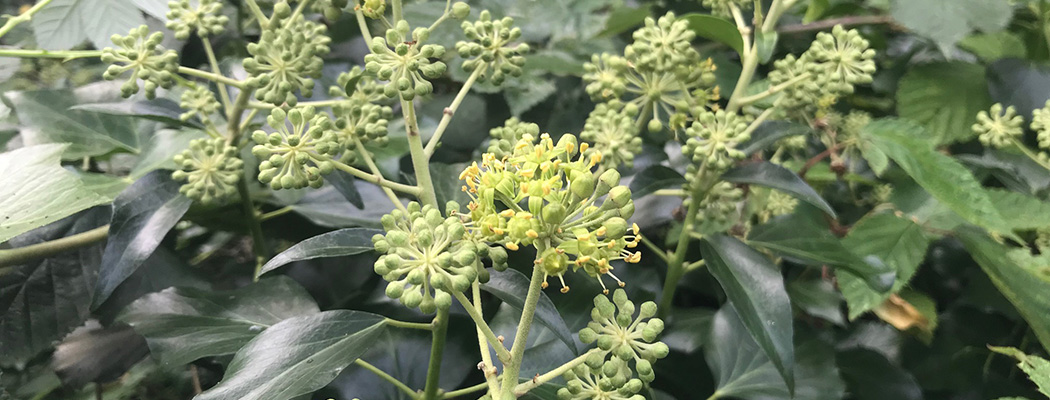
Our beehives are already showing signs of activity. It might appear to be a quiet time of the year, but ivy, snowdrops, crocuses, mahonias, catkins and hellebores are the food that’s typically available at this time of year. In fact, mahonias can make up a very significant source of food for bees in urban environments.
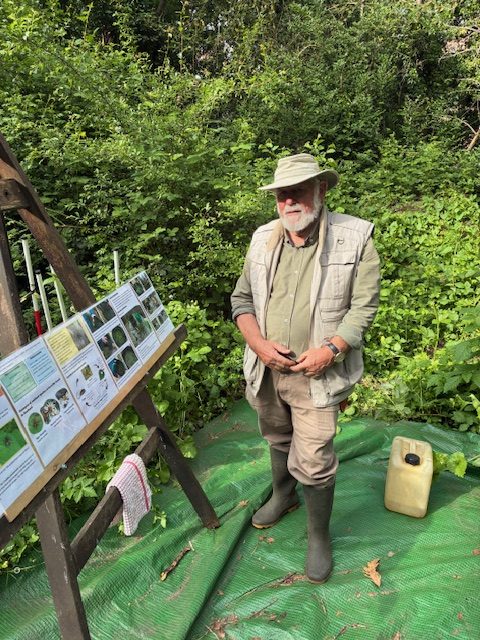
Last Sunday, the 25th of January, once again we took part in the RSPB’s Big Garden Birdwatch. This annual event takes place in late January and we were delighted to welcome local wildlife expert Joe Beale. Joe’s involvement with Greenwich Park and the Greenwich Wildlife Advisory Group is very much appreciated by Westcombe Woodlands, along with his expert knowledge of birds. The morning event lasted for an hour and ended at around 11:15. The light rain perhaps reduced the numbers of birds that interacted in the woodlands, but species recorded wood pigeon, wren, parakeet, magpie, gold crest, crow, blue tit, jay, stock dove and robin. The accompanying photo shows Joe Beale surveying the woodland sky.
Last Saturday, the 24th of January, committee members Rich Sylvester and Gail Stirling and another volunteer, were in Westcombe Woodlands to take delivery of several dozen tree saplings. They “heeled in” the delivery of 17 different tree species at the Lasseter Place area of the woodlands until we are ready to plant these during the February volunteer morning. As you can see in the photo, the greenery is laid on top of the soil to discourage our resident foxes from digging up the tree saplings. Some of the species that we took delivery of were blackthorn, silver birch, dog rose, elder, hazel, lime bird cherry, oak and hawthorn.
Earlier this week, former committee member Jerry Avis reviewed the footage of the camera that we have installed in the woodlands. It’s motion-sensitive, so it picks up movement and records what was happening. The photos show 2 foxes having a “tussle” in the Oak Glade. London is a significant stronghold for foxes with much higher population densities than in the countryside. The availability of shelter, food sources (typically from humans) and allotments or gardens, make urban locations a super habitat. With larger population numbers, this also means that there are often fights for territory. Although normally seen as a nocturnal animal, they can be equally active in the daytime.
The first volunteer morning took place a week later than our normal due to the New Year festivities. The 2nd Sunday in January saw an excellent turnout of both Westcombe Woodlands’ committee members and volunteers. Perhaps the rather mild and calm weather persuaded people to get their boots on!
Wildlife speaking, we are in the middle of winter, but it’s the perfect time to inspect, clean, make new bird boxes and repair the existing ones. There are several dotted around the woodland and as you can see, they are being used. The delicate nests, made with a mixture of moss, twigs and small leaves are an incredible construction.
Using our ladders we inspected the boxes and recorded any activity. Some bird boxes had eggs inside which must have failed to hatch. Once cleaned, they are now ready for warmer times.
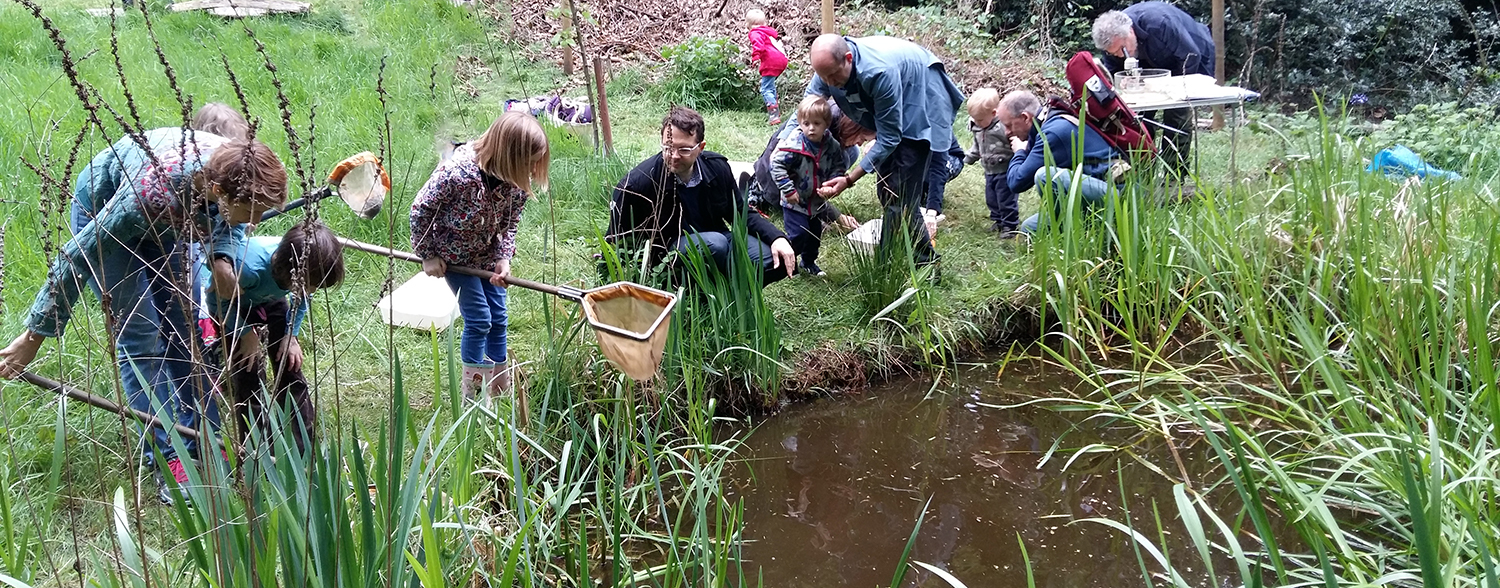
The pond is now full again. We have recently constructed a tarpaulin which will direct rainfall towards the pond, hopefully keeping the water levels topped up. Later this year, hedge plants could be planted around it to provide new wildlife habitats.
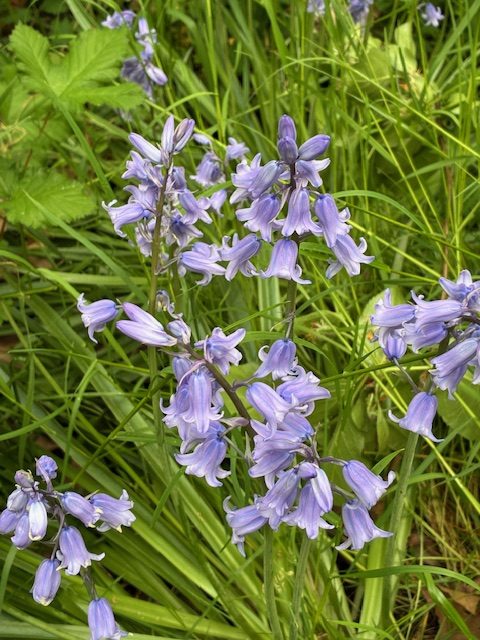
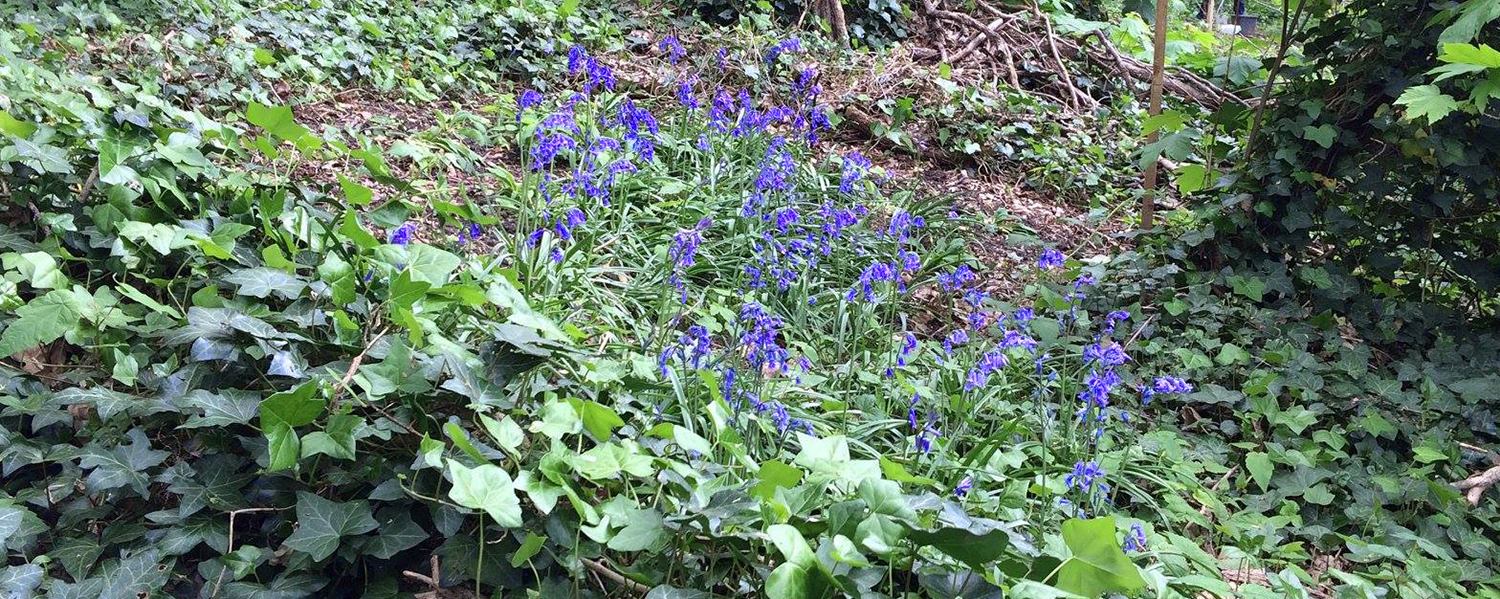
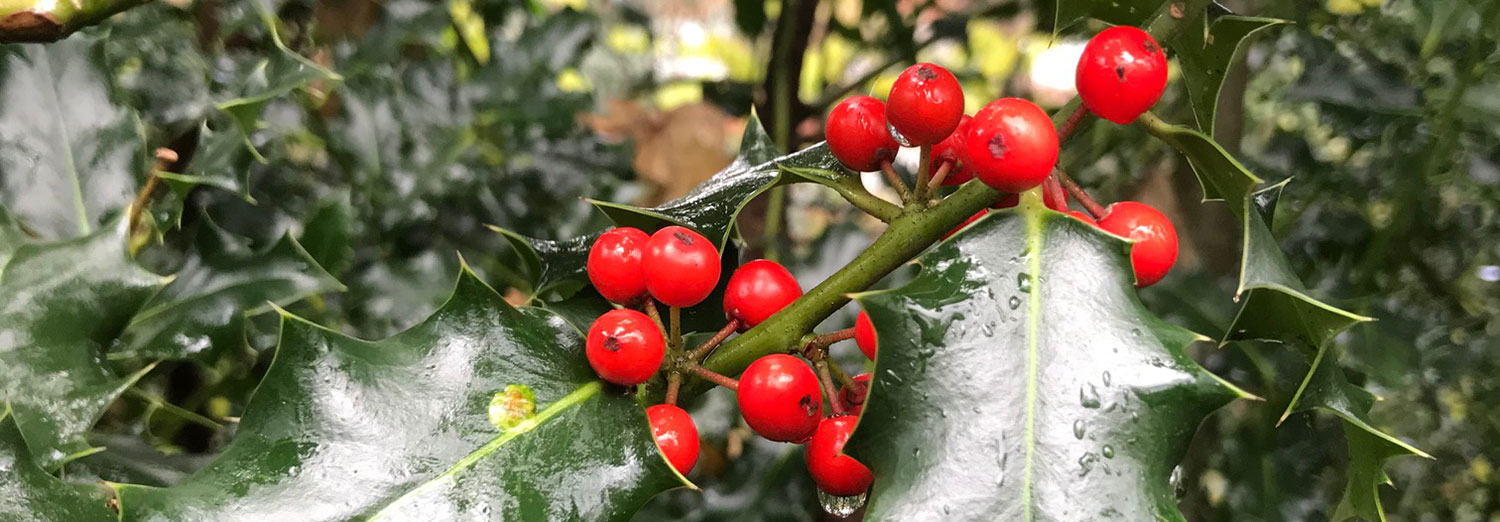
Additional maintenance tasks will include step repairs and step construction to make the more central parts of the woodland a little more accessible. Only holly berries and ivy flowers are present at the moment, but already bluebells are emerging, a sure sign of warmer and brighter days ahead.
We use cookies to optimise our website and our service.
Functional cookies
Always active
The technical storage or access is strictly necessary for the legitimate purpose of enabling the use of a specific service explicitly requested by the subscriber or user, or for the sole purpose of carrying out the transmission of a communication over an electronic communications network.
Preferences
The technical storage or access is necessary for the legitimate purpose of storing preferences that are not requested by the subscriber or user.
Statistics
The technical storage or access that is used exclusively for statistical purposes.The technical storage or access that is used exclusively for anonymous statistical purposes. Without a subpoena, voluntary compliance on the part of your Internet Service Provider, or additional records from a third party, information stored or retrieved for this purpose alone cannot usually be used to identify you.
Marketing
The technical storage or access is required to create user profiles to send advertising, or to track the user on a website or across several websites for similar marketing purposes.